
As the warm spring weather approaches, many Australian homeowners are considering upgrading or installing a new central air conditioning system. With so many options on the market, how do you ensure you choose the right one for your home and needs? In this comprehensive guide, we’ll help you navigate the world of central air conditioners and provide the insights you need to make an informed decision.
Are you confident your current central AC system is operating at peak efficiency, or is it time for a replacement? Selecting the perfect central air conditioner can be a daunting task, but with the right information, you’ll be able to find the ideal cooling solution for your home.
Over the past 25 years, we’ve helped countless Illawarra and Wollongong homeowners find the right central air conditioning system for their needs. From energy-efficient split systems to powerful ducted solutions, we’ve seen it all. In this guide, we’ll share our expertise to ensure you make the best choice for your home, budget, and lifestyle.
Understanding Central Air Conditioning Systems
Air conditioning systems are essential for homes in Australia, where temperatures can soar during the summer months. Central air conditioning systems are convenient for larger homes as they can cool the entire house at the same time. These systems work by distributing cool air through a network of ducts and vents that are installed throughout your home.
What is a Central Air Conditioner?
The cooled air is produced by an outdoor unit that contains a compressor, condenser and fan to cool the refrigerant and pump the cool air into your home. Central air conditioning systems offer excellent cooling ability, even temperature distribution, and improved indoor air quality.
How Does a Central AC System Work?
Air conditioners transfer heat from one space to another by pulling heat energy out of the air in a home and sending it outside. The compressor of an air conditioner receives refrigerant in gas form, compresses it to increase temperature and pressure, and expels heat energy into the condenser. The condenser, located outside the home, uses a fan to blow cooler air over the coil to turn the heated gas from the compressor into a liquid. The metering device controls the gas flow to the evaporator by lowering its pressure. The evaporator heats the liquid gas with heat energy from within the home to turn it back into a vapor, leaving the coil cold. The air handler blows hot air over the evaporator coil to cool it down and circulate the newly cooled air through the air ducts to fill the home with cool air.
Benefits of Central Air Conditioning
Central air conditioning systems are relatively quiet, easy to operate, and require minimal maintenance. However, installing a central air conditioning system can be expensive and requires professional installation. Homeowners should also take into account their home’s ductwork requirements and the size of the unit needed to cool their home effectively. Central air conditioners often feature high SEER/SEER2 (Seasonal Energy Efficiency Ratio) ratings, contributing to their energy-efficient operation. Properly maintaining a central air conditioning system can lead to efficient operation and prolong its lifespan.
Factors to Consider When Choosing a Central Air Conditioner
Choosing the right central air conditioning system for your Australian home requires careful consideration of various factors. The size of your home and its layout are important factors, as the system needs to be able to effectively cool the entire living space. Energy efficiency ratings should also be a key consideration, as they will impact your ongoing energy costs and environmental impact.
Home Size and Layout
The size and layout of your home play a crucial role in selecting the appropriate central air conditioning system. Larger homes or commercial spaces over 185 square meters are suggested to strongly consider central air systems, as they can provide efficient and even temperature distribution throughout the living spaces. Central air systems can also offer zoning features that allow for different temperatures in different areas of the building, catering to individual preferences.
Energy Efficiency Ratings
Energy efficiency is a vital factor when choosing a central air conditioner. SEER (Seasonal Energy Efficiency Ratio) ratings provide a star-based assessment of the unit’s energy consumption, with higher ratings indicating more energy-efficient systems. In Australia, all air conditioning systems must meet specific Minimum Energy Performance Standards (MEPS) depending on the type of unit. ENERGY STAR® certified air conditioners require a minimum SEER of 14.5 or higher, while base models can have ratings as low as 13. Investing in a high-efficiency central AC system can lead to significant long-term energy savings and a reduced environmental impact.
Climate and Local Weather Conditions
The climate and local weather conditions in your area will also play a role in determining the appropriate type and size of central air conditioning unit. For example, homes in tropical or humid regions may require a different system than those in dry, hot climates. Ductless split systems can act as effective heat pumps down to temperatures as low as about -7°C, making them a suitable choice for certain Australian regions. Understanding the unique climate conditions in your area will help ensure you select the most suitable central air conditioner for your needs.
Sizing Your Central Air Conditioner
Properly sizing your central air conditioning system is critical for ensuring optimal performance and efficiency. To determine the required BTU (British Thermal Unit) output, you’ll need to consider factors such as the square footage of your home, the number of windows, insulation levels, and climate conditions. Undersizing the system can result in inadequate cooling, while oversizing can lead to higher energy bills and frequent cycling.
Calculating the Required BTU Output
An HVAC professional can help assess your specific needs and recommend the appropriately sized central AC unit for your home. They will use a comprehensive calculation method that takes into account the various factors affecting your cooling requirements, such as the size of your living space, insulation, and local weather patterns. This ensures the system can effectively cool your home without wasting energy or resources.
Importance of Proper Sizing
Accurate central AC sizing is crucial for achieving optimal efficiency and performance. An improperly sized system can lead to a range of issues, including uneven temperature distribution, increased humidity levels, poor indoor air quality, and higher energy consumption. By working with a qualified HVAC technician to determine the right BTU output for your home, you can enjoy reliable, energy-efficient cooling that meets your needs without excess capacity or waste.
Types of Central Air Conditioning Systems
When it comes to choosing a central air conditioning system for your Australian home, there are two primary types to consider: split systems and packaged systems. Each option has its own advantages, and the best choice will depend on factors such as the size and layout of your living space, installation requirements, and personal preferences.
Split System Central Air Conditioners
Split system central air conditioners feature an outdoor unit that houses the compressor and condenser, while the indoor air handling unit is installed separately. This separation of components allows for more flexibility in the system’s placement, potentially making it a more energy-efficient option. The outdoor and indoor units are connected by refrigerant lines, enabling the cooled air to be distributed throughout your home via a network of ducts and vents.
Packaged Central Air Conditioners
In contrast, packaged central air conditioning systems combine all the essential components – the compressor, condenser, and air handler – into a single, self-contained outdoor unit. Packaged systems are often used in smaller homes or where space is limited, as they eliminate the need for separate indoor and outdoor units. While they may have a slightly lower upfront cost, packaged central AC units can be less energy-efficient than split systems in some cases.
When selecting between split system or packaged central air conditioning, it’s important to consult with a qualified HVAC professional. They can assess your specific cooling needs, home size and layout, and provide guidance on the most suitable central AC solution to meet your requirements and budget.
Installation and Ductwork Considerations
Installing a central air conditioning system in your Australian home requires the expertise of a qualified HVAC professional. Proper installation is crucial for ensuring the central AC system operates efficiently and effectively. A key aspect of the installation process often involves integrating the new system with your home’s existing ductwork, which can have a significant impact on the overall performance of the cooling solution.
Professional Installation Requirements
Enlisting the services of an experienced HVAC technician is essential for a successful central AC installation. These professionals have the necessary skills and knowledge to properly size the unit, integrate it with your home’s ductwork, and ensure all components are functioning optimally. Their expertise can help you avoid common installation pitfalls that could compromise the system’s efficiency or lifespan.
Ductwork Design and Considerations
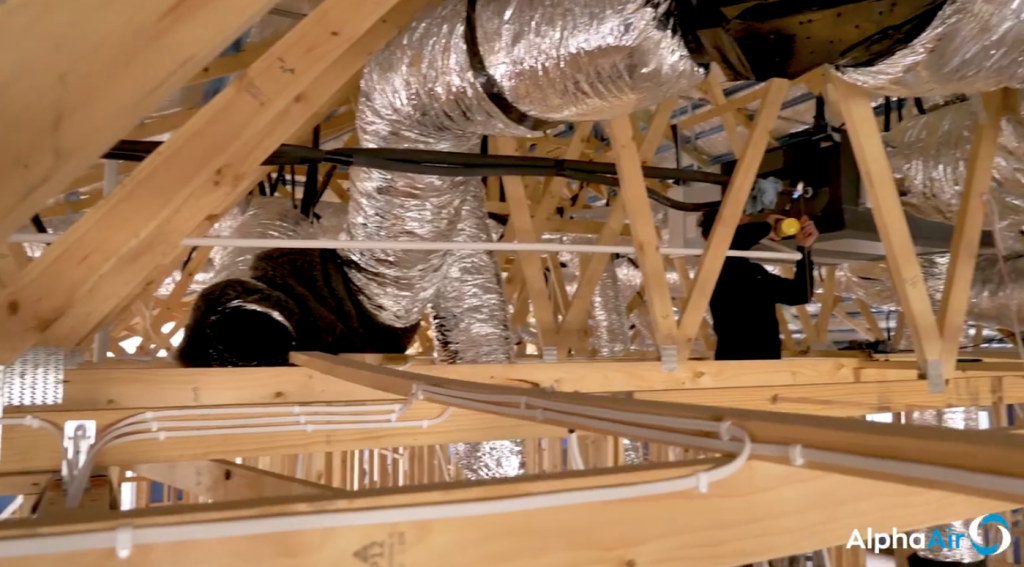
The design and condition of your home’s ductwork play a crucial role in the performance of a central air conditioning system. The ductwork must be carefully planned to ensure even air distribution throughout the living spaces. Factors such as the size, layout, and condition of the ducts can impact the overall cooling capabilities and energy efficiency of the central AC system. Homeowners should work closely with their HVAC technician to address any ductwork concerns and ensure the system is installed correctly for optimal cooling and energy efficiency.
Reputable Brands and Models
When selecting a central air conditioning system, it’s important to choose a reputable central AC brand known for quality and reliability. Some of the top central AC brands in Australia include Daikin, Fujitsu, Samsung, Mitsubishi, and Actron. These HVAC manufacturers are renowned for their energy-efficient products, innovative features, and excellent customer support.
Checking reviews, ratings, and warranty information can help homeowners make an informed decision on the best central AC model for their home. Investing in a high-quality, well-known central AC brand can provide peace of mind and ensure the system delivers reliable cooling performance for years to come.
According to the top recommendations, Lennox stands out as the most energy-efficient central AC brand, while Carrier is recognized for providing the best overall AC units. York is known for its extensive experience in the industry, and Trane is acknowledged for offering the most protection in its units. American Standard is deemed the best for extreme climates, and LG excels in producing the best window AC units.
Ruud is highlighted for offering the best basic central AC units, Amana stands out for its vast selection of products, and Goodman is recognized as the best brand for maintenance. Rheem is applauded for its smart technology in central AC units, making it a popular choice among homeowners.
Maintenance and Upkeep
Maintaining your central air conditioning system is crucial for ensuring its longevity and optimal performance. Regular filter cleaning and replacement are essential tasks that homeowners should undertake. Dirty or clogged filters can restrict airflow, reduce efficiency, and even lead to system failures. Replacing a dirty air conditioner filter with a clean one can reduce energy consumption by 5% to 15%.
Regular Filter Cleaning and Replacement
Filters for air conditioners typically need cleaning or replacement every month or two during the cooling season. This simple task helps maintain the central AC’s efficiency and air quality within your home.
Annual Professional Tune-Ups
In addition to DIY filter maintenance, it’s recommended to have your central AC system serviced by a professional HVAC technician annually. This tune-up will involve inspecting the components, cleaning the coils, checking refrigerant levels, and addressing any potential issues. The evaporator coil should be checked yearly for dirt accumulation and cleaned as necessary. Outdoor condenser coils can also become dirty and require regular cleaning to maintain efficiency. Proper maintenance helps extend the system’s lifespan, improve energy efficiency, and maintain indoor air quality.
By staying on top of these central AC maintenance and upkeep tasks, you can keep your home’s cooling system running smoothly for years to come.
Central Air Conditioner
Central air conditioners are a popular and convenient choice for cooling entire homes in Australia. These systems work by circulating cool air through a network of ducts and vents installed throughout the property. The key components of a central HVAC system include an outdoor unit with a compressor and condenser, as well as an indoor air handling unit.
Central air conditioners offer several benefits, such as even temperature distribution, improved indoor air quality, and relatively quiet operation. However, they do require professional installation and can be more expensive upfront compared to other cooling solutions like window or portable units. When selecting a central air conditioner, it’s important to carefully consider factors like home size, energy efficiency, and local climate conditions to ensure the system can effectively meet your cooling needs.
Central HVAC systems provide a climate control solution that can cool an entire home, making them a popular choice for Australian homeowners. By understanding the components and features of central air conditioning, you can make an informed decision to find the right cooling solution for your property.
Cost and Financing Options
Investing in a central air conditioning system can be a significant upfront expense for homeowners, but the long-term central AC cost savings and benefits often justify the investment. While the initial purchase and installation of a central AC unit may be higher than other cooling solutions, the improved energy efficiency and consistent climate control can lead to substantial long-term savings on energy bills over time.
To help offset the upfront costs, many HVAC providers and local governments offer financing options or rebates for the installation of energy-efficient central air conditioning systems. Exploring these financing and incentive programs can make the investment more accessible for homeowners. When weighing the costs, it’s important to consider the total cost of ownership, including operating expenses and potential long-term savings, to determine the best central AC solution for your home.
Smart Home Integration and Controls
Modern central air conditioning systems can be integrated with smart home technologies to provide enhanced control and convenience. Wi-Fi enabled thermostats allow homeowners to monitor and adjust the temperature remotely, either through a mobile app or voice commands. This level of remote access and scheduling capabilities can help improve energy efficiency by allowing you to precisely control when the central AC system runs.
Wi-Fi Enabled Thermostats
Some advanced thermostat models even incorporate features like geofencing, which can automatically adjust the temperature based on whether anyone is home. Integrating your central air conditioner with a smart home system can provide greater comfort, energy savings, and peace of mind, making it a valuable investment for many Australian homeowners.
Remote Access and Scheduling
Users can access smart home integrated air conditioning systems from anywhere with an internet connection, providing anytime accessibility for monitoring and adjusting settings. Automated settings in smart integrated air conditioners help keep energy bills low while ensuring the home remains comfortable throughout the day, resulting in more savings. Smart home integration for air conditioning systems can lead to an average savings of 18-23% on energy bills for homeowners utilizing advanced HVAC control devices.
Indoor Air Quality and Air Filtration
In addition to providing effective cooling, modern central air conditioning systems can also play a crucial role in improving indoor air quality. Many units now offer advanced air filtration capabilities, utilising high-efficiency particulate air (HEPA) filters or other advanced technologies to remove airborne pollutants, allergens, and contaminants from the air circulating in your home.
Air Purification Systems
Some central air conditioning systems go even further by incorporating built-in air purification systems. These integrated solutions can significantly enhance the air quality throughout your living spaces, helping to eliminate a wider range of airborne particles and improve the overall indoor environment.
Humidity Control
Maintaining the right level of humidity is also an important factor in ensuring indoor air quality. Certain central AC models are equipped with features that can help regulate humidity levels, preventing excessive moisture that can lead to the growth of mould, mildew, and other issues that can negatively impact air quality. By considering these air quality-focused features when selecting a central air conditioning system, you can create a healthier, more comfortable living environment for your family.
Conclusion
In conclusion, choosing the right central air conditioning system for your Australian home requires careful consideration of various factors, including the size and layout of your living space, energy efficiency, local climate conditions, and your budget. By understanding the different types of central AC systems available, the importance of proper sizing, and the key maintenance and upkeep requirements, you can make an informed decision that will provide optimal cooling performance and long-term value.
Additionally, exploring smart home integration and air quality features can further enhance the benefits of a central air conditioning system. Whether you’re looking to install a new system or replace an existing one, consulting with a reputable HVAC professional can help ensure you select the best central AC solution for your Australian home. By taking the time to evaluate your needs and explore the available options, you can invest in a central air conditioning system that will keep your living space comfortable and energy-efficient for years to come.
The choice of a central AC system is an important one, as it can greatly impact the energy efficiency, indoor air quality, and overall value of your home. By carefully considering the factors discussed in this article, you can make an informed decision that will provide optimal cooling solutions and deliver long-term benefits for your Australian home.