


If you want a home that feels steady on a hot northerly afternoon and reassuring on a frosty winter morning, the thing that makes the real difference is a plan that fits your rooms and your routine, because thoughtful design keeps temperatures even, noise low and running costs sensible, while a quick fix that ignores airflow and control will have you chasing the remote without ever feeling quite right. At Alpha Air we begin with a proper look at the house and a chat about how you live, since those details matter more than any glossy feature list, and once the picture is clear the right mix of system type, zoning and controls turns heating and cooling Melbourne into a calm everyday experience.
Why Melbourne Homes Need a Considered Plan
Our city can change its mind twice before lunch, which is why steady operation beats the old blast and stop habit for both comfort and cost, as summer heat often builds late in the day while winter chill tends to bite around sunrise, and the smart move is to ease the home toward comfort before those peaks arrive and then hold a sensible level. Reverse cycle technology is perfect for this because it moves heat rather than making it, so you receive several units of heating or cooling for each unit of electricity used, and when you pair that with shading on west facing glass, closed doors during refrigerated cooling and realistic set points, rooms feel even while the outdoor unit cruises instead of straining. A plan that respects orientation, insulation, ceiling height and glazing will always outperform a one size answer, and it will keep you from the first hot day scramble that catches so many households every year.
Choosing Between Ducted and Split Systems
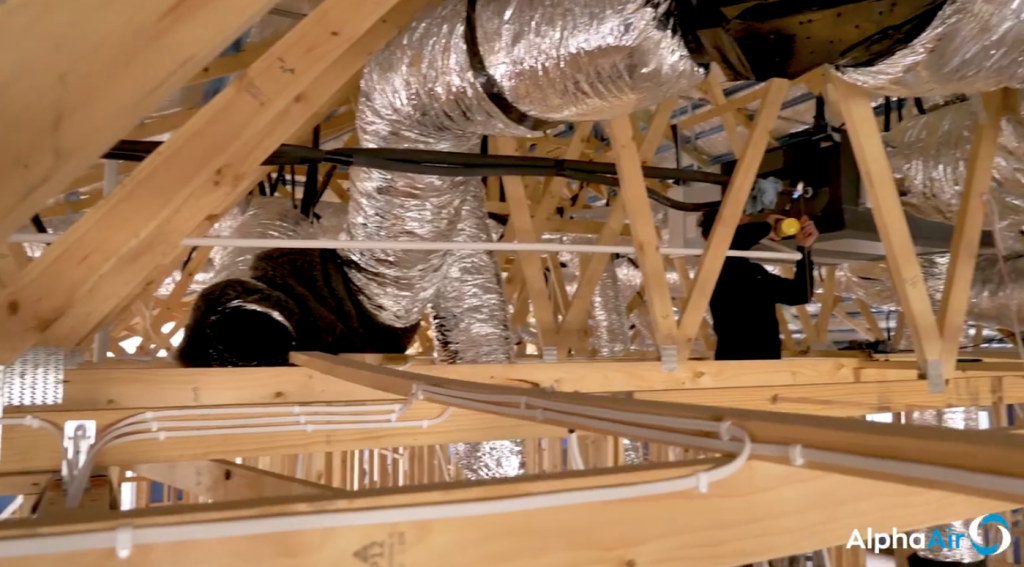
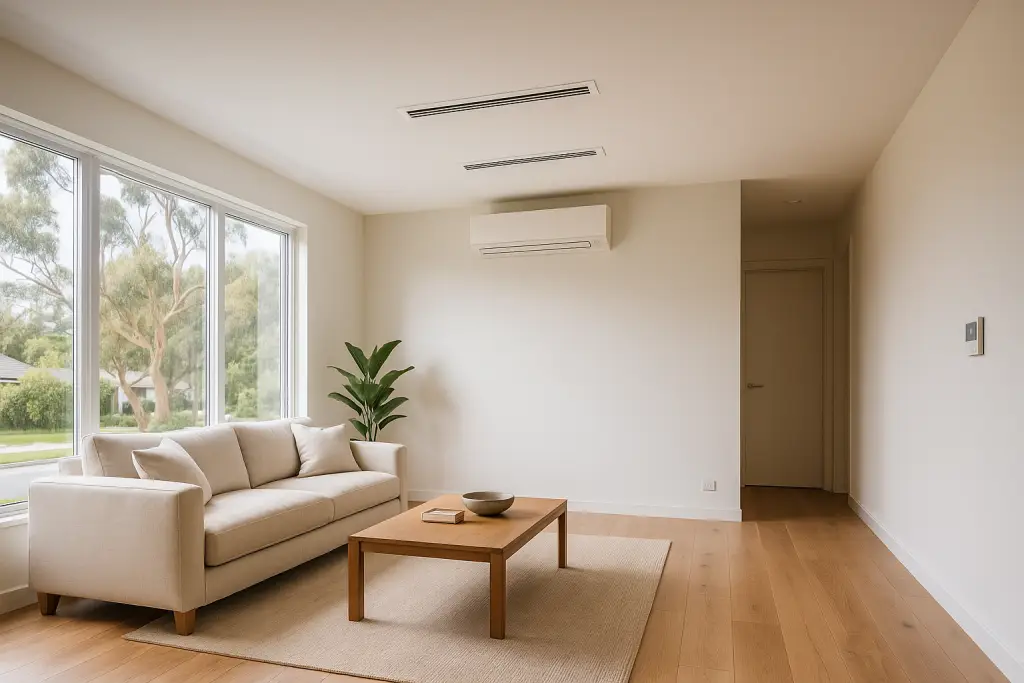
Some homes need whole house comfort at the same time, while others only require the main living area and a bedroom or two, and the best choice simply follows that need. Ducted reverse cycle remains the premium option when you want quiet even temperatures from front door to back room, with a central indoor unit feeding insulated ducts and discreet ceiling grilles, and with zoning that divides the home into day areas and night areas so you only condition the spaces that are actually in use. Returns and diffusers are chosen to push air along the length of each room rather than at one spot, which lets you use gentler temperatures and still feel perfectly comfortable, and in two storey layouts a correctly sized return upstairs removes the heavy layer near the ceiling and helps bedrooms settle without turning the controller down to a number that fights the night air. Split systems shine when you want precise control in a living zone or a master bedroom, particularly in townhouses and apartments where outdoor space is tight or when you prefer to stage the project over time, and when placed with care they are quiet, efficient and simple to maintain through many seasons.
Zoning Returns and Airflow Done Properly
Zoning is a simple idea that pays back every day, because you send air to the rooms that are active and let the rest idle until they are needed, which trims run time, lowers fan effort and softens noise at the same time that it improves comfort. Most families land on a day zone that covers kitchen, meals and living, and a night zone that covers bedrooms and hallway, while studies that run at set times may deserve their own switch and guest rooms can rest for weeks without anyone missing them. The quiet hero of a good plan is return air, since a single return near the living area will always leave upstairs bedrooms struggling at night, so adding a properly sized return on the upper level gives warm air a path back to the unit and lets the indoor fan breathe without a rush of noise. Supply branches should be supported and sized correctly so they do not sag or choke, diffusers should throw air along the room for an even feel, and the outdoor unit needs clear space to exchange heat on still afternoons and cold mornings, because airflow is the difference between a system that looks fine on paper and a system that feels right in daily life.
Running Costs Simple Habits and What to Expect on Install Day
Most savings come from steady use at realistic temperatures rather than constant adjustments, so in summer many Melbourne homes sit comfortably at twenty four or twenty five degrees once blinds are drawn on west facing glass and doors are kept closed during refrigerated cooling, while in winter nineteen or twenty degrees paired with sensible clothing and proper bedding feels cosy without pushing the meter. Schedules do a lot of heavy lifting with very little effort, as pre cooling living areas before the late heat arrives and pre heating bedrooms before the first alarm allows the machine to idle rather than fight a big gap at the worst time of day, and if you have solar you can ask the heavier work to happen while your panels are producing and then hold steady into the evening. Clean filters, clear returns and tidy outdoor airflow are small jobs that deliver real gains, and a short seasonal service before summer or winter confirms sensor readings and refrigerant pressures and catches the little issues that would otherwise appear on the first heatwave or the coldest morning. On installation day our team arrives with the correct parts and a plan that has solved the awkward details already, the indoor unit is set for service access and quiet operation, ducts are routed to avoid kinks and long detours, the outdoor unit is placed for airflow and neighbourly peace, electrics are checked to Australian standards, and the system is commissioned to the manufacturer specification, after which we balance air to each room, set up zoning and schedules to match your routine, and make sure the house feels right before we pack up.
When you are ready to design heating and cooling Melbourne that fits your home rather than forcing your home to fit a template, talk to Alpha Air and we will map a clear path from the first measure to the final handover and then look after it with friendly seasonal service so your system keeps running quietly for years.