
Getting ready for a new air conditioning installation needs a detailed checklist. This checklist is key to making sure everything is ready for the AC installation. It helps avoid problems by checking all important steps before the installation.
Customer feedback shows that cheaper prices can lead to poor results. So, it’s important to follow a detailed checklist. Things like proper drainage and vermin proofing are crucial. They prevent water damage and pest problems that can harm the system’s performance.
Using pre-made poly slabs for air conditioning units improves looks and reduces pipe strain. It’s also wise to get expert advice to spot any HVAC issues. This ensures the new unit works efficiently and saves money in the long run.
In the next parts, we’ll explore more about the pre-installation process. This will help you make smart choices for a successful air conditioning setup.
Understanding the Importance of a Pre-Installation AC Checklist
Having a detailed pre-installation checklist is key for a smooth air conditioning setup. It helps both homeowners and HVAC experts make the installation easier. By doing a thorough HVAC pre-install inspection, you can spot problems early. This way, you can fix them before the installation starts.
Choosing the right air conditioner is important. You need to know the size of your rooms and the energy efficiency you need. A unit that’s too small won’t cool your space well, while one that’s too big wastes energy and costs more. Finding the right balance is crucial for comfort and efficiency.
You might need permits for the installation, depending on where you live. It’s also important to plan the installation at a time that works for you. This way, it won’t disrupt your life too much.
Getting professional technicians to install your AC is a smart move. They have the skills to handle the job safely and efficiently. Regular maintenance by these experts keeps your AC running well and lasts longer.
Assessing Your Current HVAC System
Checking your current HVAC system is key before getting a new air conditioner. This check finds any problems that might affect how well it works. It makes sure the new system runs smoothly.
Commercial AC setups often need a detailed check. This includes looking for issues like uneven temperatures or high energy bills. Fixing these problems helps the new system work better.
Identifying Existing Issues
Experts look closely at your current HVAC system to find what’s not working right. Finding these problems early helps fix them before they get worse. This includes checking things like ductwork and insulation.
These parts are important for keeping air flowing well. If they’re in good shape, your energy bills will go down and your place will feel better.
Evaluating Ductwork and Insulation
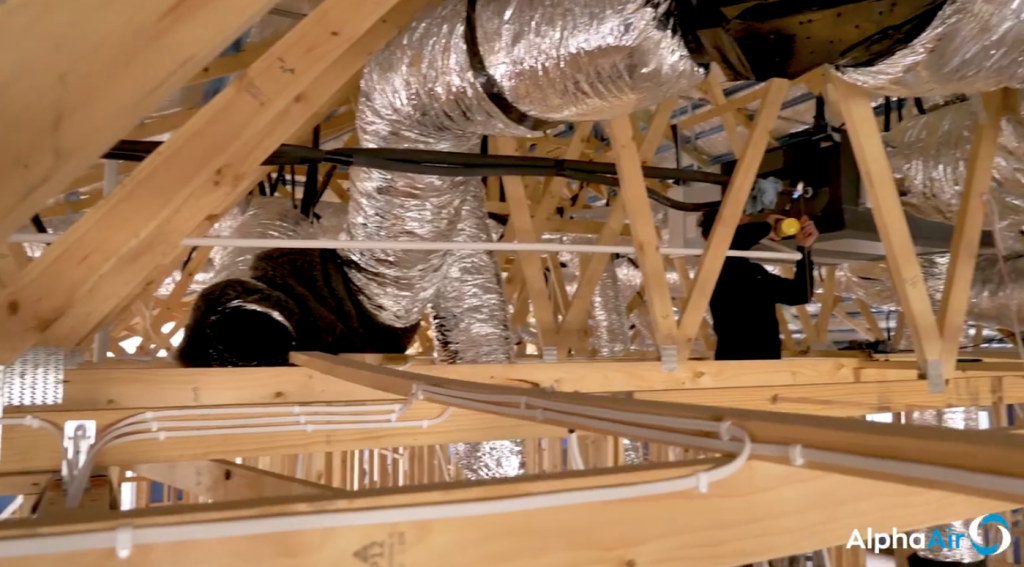
Ductwork and insulation are crucial for your HVAC system’s health. If they’re sealed well, your energy use goes down. But, if they’re not, you might lose energy and spend more on bills.
It’s important to check for any damage or gaps in ducts. This ensures air flows properly. Good insulation helps your system work its best.
Choosing the Right AC Unit for Your Home
Choosing the right air conditioning unit is key for comfort and efficiency. You need to consider several factors to find the perfect unit. The size of your space affects the unit’s power needs, with about 0.15 kW per square meter.
Local climate conditions, like in Perth, also play a role. In hot summer months, old systems are often replaced with newer, efficient ones.
Factors to Consider for Optimal Cooling
Proper sizing of the AC unit is crucial. You need to measure your space and consider insulation and sunlight. It’s best to have experts do this for accurate calculations.
Multi-split installations offer flexibility. They allow multiple indoor units to connect to one outdoor unit, great for big homes.
Energy Efficiency Ratings and Cost Savings
Energy efficiency ratings can save you money in the long run. Inverter technology uses less electricity than old models. This means lower bills and less maintenance.
Adding air purification technologies can also improve indoor air quality. So, choosing an energy-efficient AC is smart for both comfort and your wallet.
Planning the Installation Timeline
Planning your AC installation timeline is key for a smooth process. Working with your installation team helps pick a date that fits your schedule. This includes getting your home ready, arranging permits, and setting up inspections.
Technicians handle many tasks during the installation. They install refrigerant lines, wiring, and thermostats. It’s important to understand the project’s complexity. Reviewing your electrical system beforehand is also wise.
Clearing the installation area can save time. A well-planned timeline ensures everything is ready before starting. This includes following local codes and safety standards. For more details, check out a comprehensive checklist for air conditioning installation.
After installation, consider maintenance plans and warranties. These can improve your comfort and satisfaction in the long run. They also help build loyalty for future services.
Inspections Needed Before Installation
Before installing a new air conditioning unit, it’s important to do thorough checks. These checks make sure the HVAC system is ready, fixing any problems early on. Looking at the ductwork is key, as damaged ducts can reduce cooling efficiency.
Technicians should look for leaks, blockages, and damage. If they find any, fixing it quickly is crucial to avoid bigger issues later.
Ductwork Inspection and Repairs
Checking the ductwork in detail is vital for good air flow. It’s important to seal and insulate properly to prevent energy loss. For more tips on duct installation, check out these recommendations.
Fixing any problems before installing the new system is key. This ensures it works as expected.
Electrical Connections and Safety Checks
Inspecting electrical connections is also crucial. It’s important to make sure your electrical system can handle the new unit. Technicians need to check if the circuit breakers and wiring are up to standard.
These safety checks prevent accidents and ensure the system works safely. Using licensed professionals for these checks adds to safety and follows the rules.
Site Preparation for the Indoor and Outdoor Units
Getting the site ready for AC installation is key to the system’s best performance. A thorough review of the HVAC installation site is needed. This ensures the indoor and outdoor units are placed right for good airflow and function.
It’s important to position them correctly to avoid future problems.
External Unit Placement and Alignment
The outdoor unit needs to sit on a firm, level base. This setup stops vibrations and boosts efficiency. Make sure there’s enough room around it for air to flow freely.
Also, aligning it properly stops any issues from nearby objects.
Checking Drainage and Water Flow
Drainage checks are crucial during AC installation site prep. Clear drainage paths prevent water buildup or overflow. This damage can be costly.
Good drainage design keeps the system running smoothly. It protects against water problems that could harm both units.
Executing the Pre-Installation AC Checklist
Getting ready for a new air conditioning unit is key. The pre-installation AC checklist is essential for a smooth setup. It covers important tasks that boost system efficiency and safety.
Verifying Electrical Disconnects
It’s important to make sure electrical disconnects are easy to reach. They should be within three feet of the outdoor unit. This makes maintenance safer and follows safety rules.
Checking this ensures the system works well and avoids electrical problems later on.
Ensuring Vermin Proofing Measures Are in Place
Vermin proofing is vital to keep pests out. It stops them from getting in through gaps during or after installation. This protects your HVAC system and prevents damage from critters.
Doing this right from the start means your air conditioning will work better for longer.
Key Components of the Pre-Installation AC Checklist
Creating a detailed pre-installation AC checklist is key for a successful setup. It helps spot potential issues before starting, making the process more efficient and satisfying for customers.
Sampler Checklist Items
The checklist should cover several important points. It includes checking isolator switches, looking at drainage solutions, and making sure the site is ready. Each part is crucial for a smooth installation and avoiding problems later.
Final Review Before Installation Work Begins
The AC installation final review is a critical step. It confirms all preparations are done. This review checks if equipment is in the right place, wiring is correct, and ductwork meets standards.
Fixing any issues here sets up a strong base for a successful installation. It also improves the HVAC system’s performance.
Ensuring Proper Installation Practices
Proper installation is key for your air conditioner’s performance and life. Start by securely mounting both indoor and outdoor units. This makes the system stable and quieter.
Make sure refrigerant levels are correct. Wrong levels can hurt efficiency and shorten the system’s life.
Check all connections and settings for safety standards. Reputable HVAC companies replace the disconnect box and whip for safety and reliability.
New air conditioners are bigger and quieter. Use a composite pad instead of a concrete slab for better durability. This design absorbs vibrations well.
Proper installation is not just about the unit. Easy access for maintenance is also important. Replace the refrigerant line set if you can to avoid damage.
By following these best practices, your air conditioner will work efficiently for years. This means more comfort and less worry about repairs or wasted energy. For more on avoiding installation mistakes, check this resource.
Conclusion
A pre-installation AC checklist is key for a successful air conditioning installation. It helps you assess your current HVAC system and choose the right unit. Planning the installation carefully sets the stage for great results.
Every step, from checking cooling needs to working with experts, is crucial. It ensures a smooth switch to your new system. This makes your home comfortable all year.
Choosing experienced technicians is also important. They ensure the right size, placement, and connections for your AC. This boosts its efficiency and avoids costly repairs.
Good communication with your team is essential too. They offer maintenance advice and test your system. This keeps it running well for years.
In the end, a detailed AC checklist and expert help make your home comfy all year. It’s all about careful planning and the right team.