

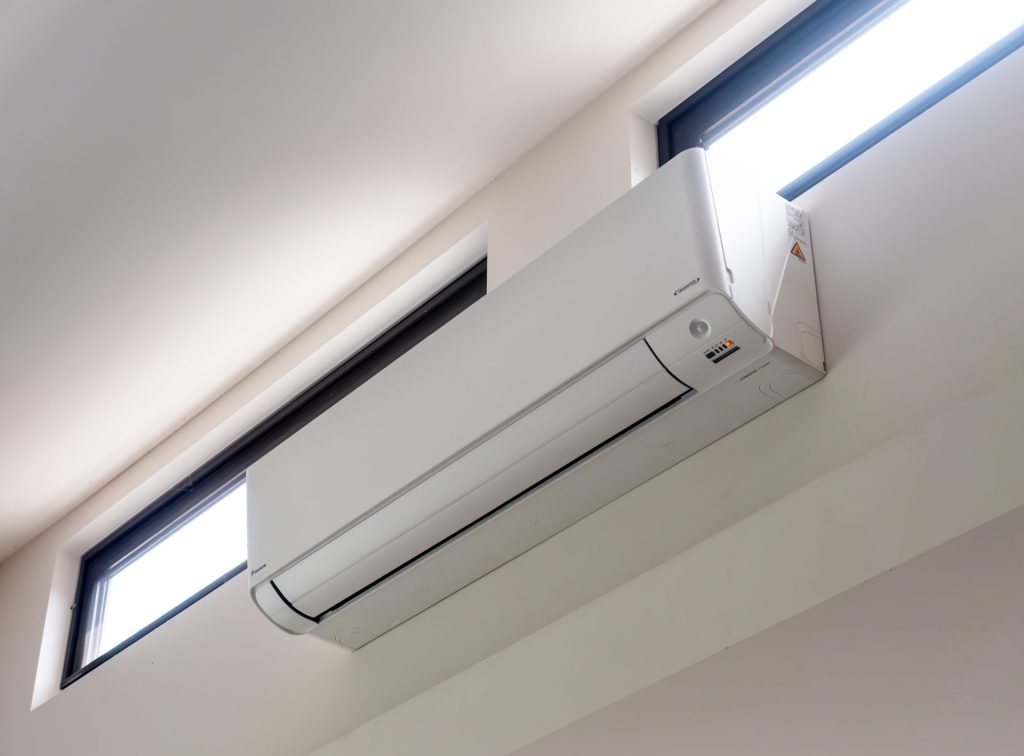
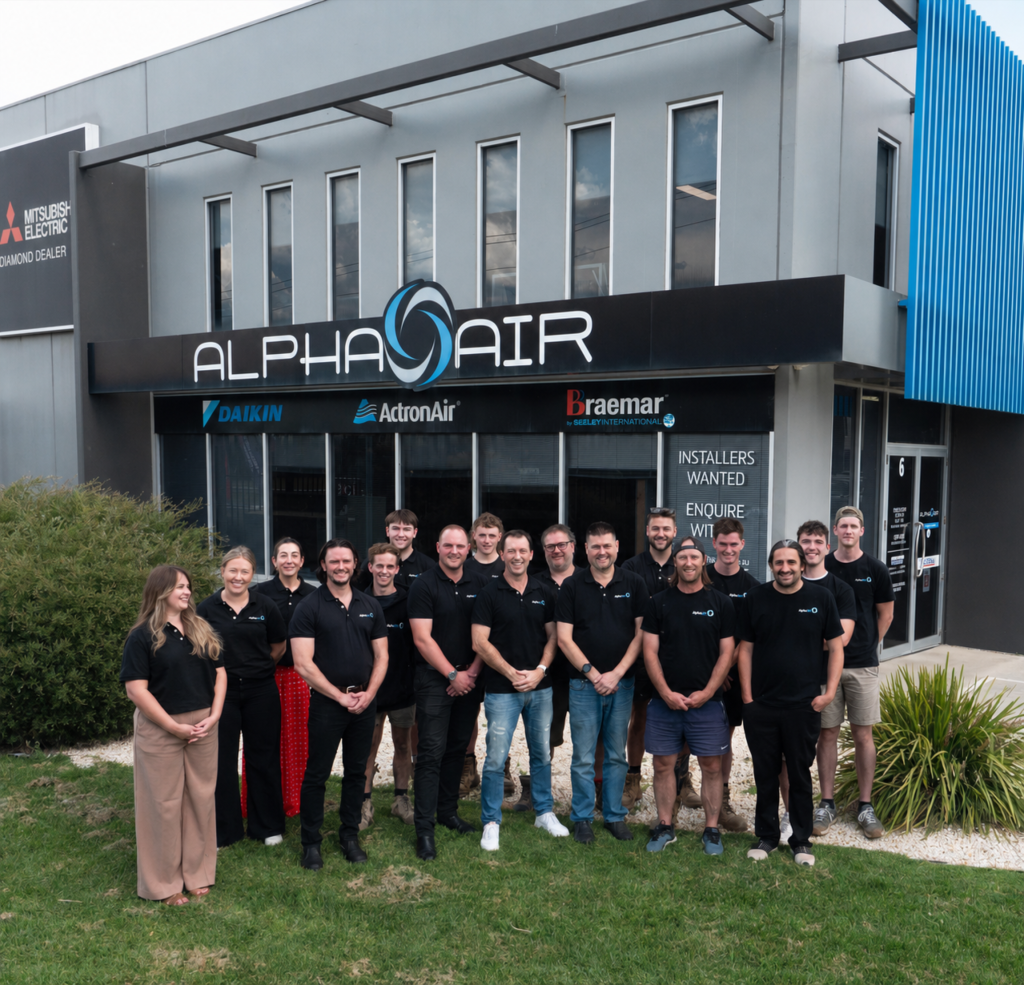
Replacing gas ducted heating can be a chance to rethink how your home stays comfortable throughout the year. This Springvale South project shows one option: Alpha Air replaced an older gas ducted heater with a Braemar Dominator ducted system that provides both heating and cooling.
The video shows the installation and the finished system. It is also a helpful starting point if you are comparing options for your own home, although the right system and installation plan will depend on your property.
A gas to electric upgrade in Springvale South
The home in the video had an existing gas ducted heating system. Alpha Air replaced it with a Braemar Dominator ducted system, giving the household heating and cooling through a ducted setup. That means the same system can help warm the home in winter and provide cooling when Melbourne’s weather turns warm.
Alpha Air describes the changeover in this project as taking around half a day. That gives a sense of what was possible at this property, but it should not be treated as a standard installation time. Access, the condition and layout of the existing ducts, electrical requirements and the work needed to remove old equipment can all affect the schedule.
Every home is different, so a site assessment is the best way to understand what can be reused, what needs to change and which system will suit the household. A video can show the result, while an onsite assessment can account for the details that are unique to your property.
What does it mean to replace gas ducted heating?
A traditional gas ducted heater uses gas to warm air and distribute it through the home’s ductwork. A reverse cycle ducted system runs on electricity and can provide both heating and cooling. For a household that already has ducted heating and wants cooling as well, replacing the old heater may be an opportunity to consider a single ducted system for both jobs.
The change is more than swapping one box for another. The installer needs to consider the home, the existing duct network, the electrical supply, the best location for outdoor equipment and how the household wants to control different areas. In some homes, existing ductwork may be suitable for reuse. In others, changes may be needed to achieve the planned airflow and comfort.
| What to compare | Gas ducted heating | Reverse cycle ducted system |
|---|---|---|
| Heating | Provides heating through the ducted outlets. | Provides heating through the ducted outlets. |
| Cooling | Does not provide cooling. | Can provide cooling as well as heating. |
| Energy source | Uses gas for heating. | Uses electricity to run the system. |
| Existing equipment | May be nearing replacement if it is older or no longer meeting the home’s needs. | Requires an assessment of the home, ducts and electrical supply to confirm suitability. |
| What affects running costs | Usage, gas tariffs, the condition of the system and the home’s heat loss. | Usage, electricity tariffs, system settings and the home’s heating and cooling needs. |
This is a general comparison, not a prediction of energy use or cost. Actual performance and running costs depend on the home, the equipment, how it is used and the energy plan. Ask for advice based on your property rather than assuming one option will cost less in every situation.
Could a ducted heating and cooling upgrade suit your home?
A gas to electric upgrade may be worth exploring if your existing heater is ageing, you want cooling in more areas of the home, or you are planning broader heating and cooling improvements. It can also be useful to compare options if you are renovating or making changes to how the family uses the house.
Before you request a quote, think about the comfort problems you want to solve. For example, you may want more even temperatures between rooms, easier control over when the system runs, or a way to heat and cool the main living areas without relying on separate equipment. These priorities help your installer recommend a system that is practical for your household.
There are also cases where a full ducted replacement may not be the best fit. If you only need to condition one or two rooms, a split system or another arrangement may be more appropriate. A good assessment should look at the available options and explain why a particular setup is recommended.
What should be checked before choosing a system?
A proper recommendation starts with the home rather than a model number. Ask the installer to assess the following points:
- The size and layout of the home: Room sizes, ceiling heights, insulation, windows and the way the household uses each area can affect the system capacity and outlet plan.
- The existing ducts and outlets: The installer can check their condition, layout and suitability for the proposed equipment. Existing ducts should not be assumed to be reusable without inspection.
- The electrical supply: A new electric system may have different requirements from the existing gas heater. Confirm whether the switchboard, wiring or other electrical work needs attention.
- The outdoor unit location: There needs to be a practical position with suitable airflow and access for future servicing. Placement should also take nearby windows and the household’s noise preferences into account.
- Controls and zones: Discuss whether you want to control areas separately, how often different rooms are used and which control options are available with the system being quoted.
- Removal and finishing work: Confirm what happens to the old heater and any associated equipment, and whether the quote includes the work needed to leave the area tidy.
It is useful to receive a written quote that explains the proposed system, what is included, any work that may be required and the warranty details. If you are comparing quotes, check that they cover similar equipment and installation items so you can make a fair comparison.
What happens during a typical installation?
The exact process varies, but a ducted heating and cooling replacement will generally involve several stages:
- Assessment and system selection: The installer looks at the home and discusses your heating and cooling needs, existing equipment and preferred controls.
- Installation planning: You confirm the proposed equipment, the location of indoor and outdoor components, any electrical work and the expected timing.
- Removal and installation: The old equipment is removed as needed, the new system is installed and the duct connections and electrical work are completed.
- Testing and handover: The installer checks that the system is operating, explains the controls and lets you know about any ongoing care or maintenance requirements.
In the Springvale South video, Alpha Air says the changeover took around half a day. That result will not apply to every job. If extra electrical work is needed, access is difficult or changes to the ducts are required, the installation may take longer. Confirm the expected schedule after the installer has assessed your home.
Will the new system reduce energy costs?
It is not possible to promise a lower bill just from changing the type of system. Energy costs depend on the home’s insulation and draughts, the weather, how many areas are heated or cooled, the temperature settings, the equipment selected and the energy tariffs available to you.
When you compare systems, ask for an explanation of the expected energy use and the assumptions behind it. You can also consider whether simple improvements, such as addressing draughts or improving insulation, could help the home hold a more comfortable temperature. The best approach is to compare the full cost of the project with the comfort and functions you want.
Are Victorian rebates available?
In the video, Alpha Air notes that Victorian government rebates were available for eligible installations at the time of the project. Rebate programmes, offers and eligibility requirements can change, so check the current details before making a decision. Ask your installer to confirm whether an incentive applies to your household and the system you are considering.
Make sure any rebate is confirmed for your circumstances before including it in your budget. A quote should also make clear what you are paying for, what is covered by any offer and whether there are conditions you need to meet.
Common questions about replacing gas ducted heating
Can my existing ductwork be reused?
It may be possible, but it depends on the condition, size and layout of the ducts and whether they are suitable for the proposed system. The installer should inspect them before confirming what can be retained.
How long does a gas to electric installation take?
The video of the Springvale South project describes a changeover of around half a day. Installation times vary with access, the work involved and the requirements of each property, so ask for a timeframe after an onsite assessment.
Can the system heat and cool every room?
A ducted system can distribute air to multiple rooms, but the final design depends on the system capacity, duct layout, outlets and control options. Discuss which rooms you want to condition and how you use them.
Talk with Alpha Air about your options
If your gas ducted heater is ageing or you are considering adding cooling to your home, Alpha Air can assess your current setup and explain the available options. The team works with homeowners across Melbourne, including Springvale South and nearby suburbs.
Contact Alpha Air to discuss a heating and cooling upgrade or call 1300 854 525.