



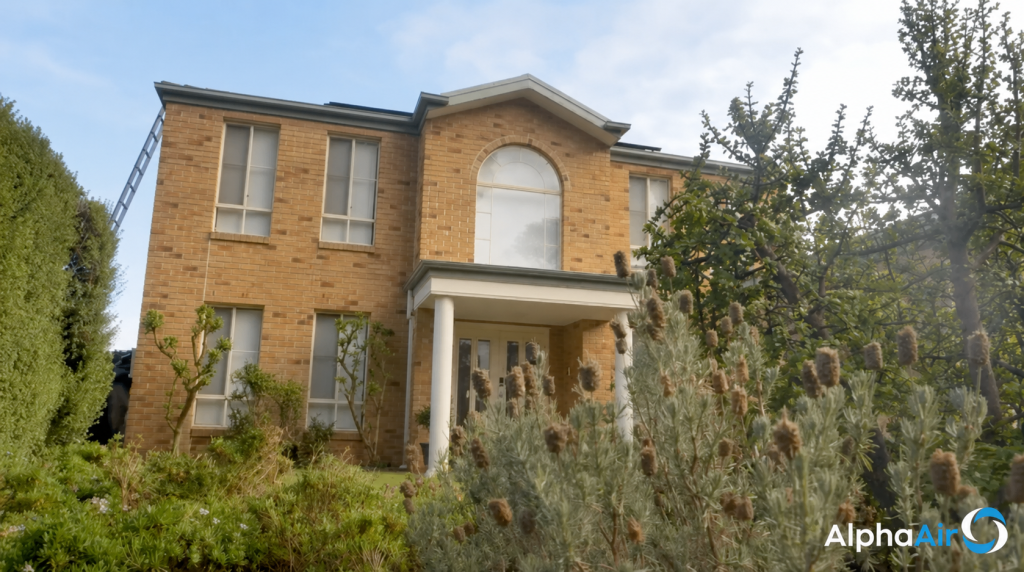
Why Your Upstairs Rooms Are Always Hotter or Colder Than Downstairs
If you live in a double storey home in Melbourne, there is a good chance you have noticed one frustrating problem. The upstairs rooms never seem to match the temperature downstairs.
During summer, upstairs bedrooms can feel uncomfortably hot long after the lower level has cooled down. Then during winter, the opposite can happen where downstairs areas feel colder while heat rises and collects upstairs. Many homeowners assume this is simply normal in two storey homes, but in reality, large temperature differences usually point to airflow or system design issues that can often be improved significantly.
The challenge becomes even more noticeable in newer open plan homes with large windows, high ceilings, and extended living spaces. Even homes with modern ducted heating and cooling systems can struggle if the airflow design is not properly balanced for the layout of the property.
Understanding why this happens is the first step towards making your home more comfortable all year round.
Why Temperature Differences Happen in Double Storey Homes
One of the biggest reasons upstairs rooms become hotter or colder than downstairs comes down to basic heat movement. Warm air naturally rises, which means heat tends to collect on upper levels during warmer months while cooler air settles downstairs.
In winter, heated air from ducted systems can also rise quickly through stairwells and open voids, leaving downstairs areas feeling cooler while upstairs rooms become too warm. During summer, upstairs rooms often absorb additional heat from the roof space, especially in homes with poor ceiling insulation or large west facing windows.
Airflow design also plays a major role. Many systems are installed with insufficient return air flow, poorly positioned ducts, or incorrect balancing between upstairs and downstairs zones. When airflow is uneven, certain rooms receive too much conditioned air while others struggle to maintain temperature.
Here are some of the most common reasons for uneven temperatures in Melbourne homes.
|
Cause |
Impact on Comfort |
|---|---|
|
Heat naturally rises |
Upstairs becomes warmer |
|
Poor insulation |
Heat enters or escapes more easily |
|
Incorrect duct sizing |
Uneven airflow between rooms |
|
Limited zoning control |
One level overheats while another stays cold |
|
Poor return air placement |
Weak circulation and inconsistent temperatures |
|
Large windows upstairs |
Increased solar heat gain |
|
High ceilings and voids |
Difficult temperature balancing |
Another common issue is oversized heating and cooling systems. Many homeowners assume bigger systems automatically perform better, but oversized units can actually create inconsistent temperatures because they heat or cool areas too quickly without maintaining balanced airflow throughout the home.
How Zoning and Airflow Improve Comfort
Zoning is one of the most effective ways to manage temperature differences between upstairs and downstairs areas. A properly zoned ducted system allows different parts of the home to operate independently rather than trying to maintain one temperature across the entire property.
For example, upstairs bedrooms may need stronger cooling during summer evenings while downstairs living areas require less conditioning at the same time. During winter, the opposite may apply depending on how heat moves through the home.
Return air placement is another factor many homeowners never realise is so important. Without adequate return airflow, conditioned air cannot circulate efficiently throughout the home. This creates pressure imbalances that often leave certain rooms uncomfortable no matter how long the system runs.
Well designed ductwork also matters more than people realise. Duct sizing, vent positioning, airflow balancing, and fan settings all affect how evenly temperatures are distributed throughout a double storey home.
In some Melbourne homes, relatively small adjustments such as airflow balancing, zoning changes, additional return air, or upgraded insulation can dramatically improve comfort without replacing the entire system.
Can The Problem Be Fixed?
In many cases, yes. The solution depends on the age of the home, the existing system design, insulation quality, and how the household uses different areas throughout the day.
Some homes benefit from zoning upgrades while others may need airflow adjustments, additional returns, or improved insulation to reduce heat transfer between levels. In older homes, ductwork design itself may be contributing to the imbalance.
The important thing is identifying the real cause rather than simply increasing the thermostat temperature and hoping the problem disappears. A properly designed heating and cooling system should keep both levels of the home comfortable throughout Melbourne’s changing seasons.
If your upstairs rooms are constantly hotter or colder than downstairs, contact Alpha Air for expert advice, airflow assessments, and tailored heating and cooling solutions across Melbourne.